







Search Results for: Producing Area
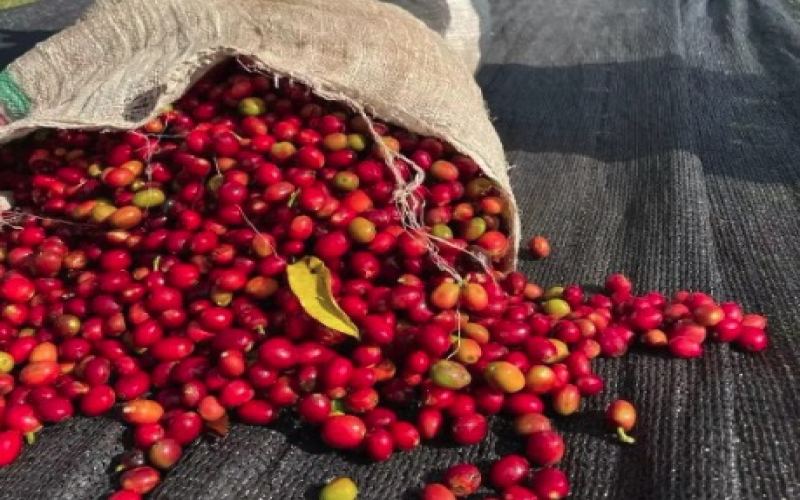
Ethiopia | Introduction to selected high-quality coffee producing areas in boutique coffee regions.
For coffee lovers, Ethiopia is a sacred place in their hearts. This country is the birthplace of coffee and is now also the largest Arabica coffee-producing country in Africa. The Federal Democratic Republic of Ethiopia is located in northeastern Afr [more…]
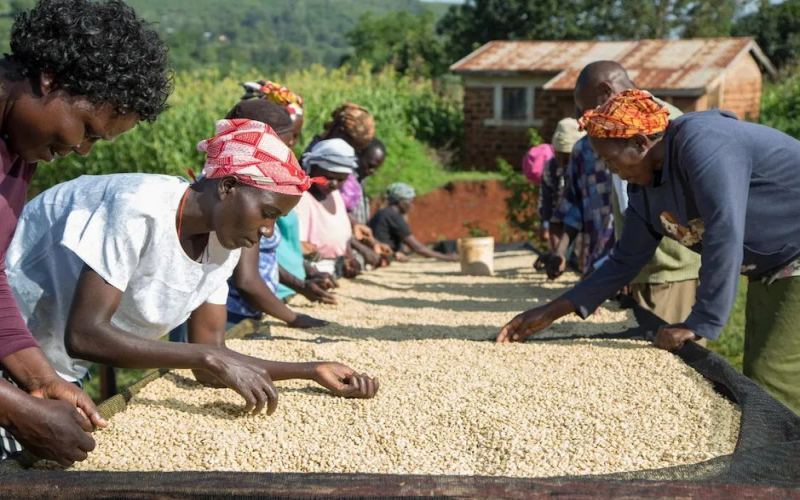
Kenya Green Coffee Bean Grading System and Detailed Guide to Six Major Specialty Regions: From AA Grade to Flavor Scoring
Kenyan coffee is renowned worldwide for its bright berry-like acidity and solid body, and its strict grading system together with its unique terroir jointly create high-quality cup performance. This article will systematically sort out the size grading and flavor grading system of Kenyan green beans, and provide an in-depth introduction to the altitude, varieties, and flavor characteristics of six specialty regions: Thika, Kirinyaga, Nyeri, Kiambu, Murang'a, and the western side of Mount Kenya. At the same time, Front Street Coffee will combine its own roasted Kenya Asalia coffee beans to share brewing parameters and technique suggestions, helping coffee lovers gain a more complete understanding of the coffee charm of this East African producing country. [more…]

A Detailed Traceability of the Ethiopian Huakui Coffee Bean Origin and Moka Pot Brewing Parameters
Since winning the TOH championship in 2017, Huakui coffee beans have gone through eight harvest seasons and have become a highly regarded representative of Ethiopian specialty coffee. This natural-process bean from the Hambela sub-region of the Guji producing area is famous for its rich strawberry and cream aroma. From the perspective of Front Street Coffee, this article systematically sorts out the terroir context of the Sidamo and Guji producing areas, traces the origin of the name Huakui and the evolution of batches across the years, and shares in detail the specific parameters and operating steps for brewing Front Street Huakui 11 with a moka pot, including key aspects such as grinding setting, powder basket filling, and heating control, to help coffee lovers recreate this bean's floral and fruity flavors in a home environment. [more…]

Is Yirgacheffe a Origin or a Variety? A Full Analysis of Ethiopian Yirgacheffe Coffee Flavor and Region
Although many coffee lovers have tried Yirgacheffe, they may not necessarily know exactly what this name represents—is it a coffee variety, or a processing method? In fact, Yirgacheffe is neither a variety nor a method, but a highly distinctive coffee-producing region in southern Ethiopia. The coffee produced here is famous for its bright floral aroma and citrus notes, which even led the Ethiopian government to designate it as a separate region and register it as a trademark. This article will guide you through the production area of Yirgacheffe, its high-altitude terroir, the historical opportunity of washed processing, and the classification standards that mean not all Yirgacheffe possesses the classic flavor. At the same time, Front Street Coffee will also recommend several beans where you can taste the authentic "Yirgacheffe flavor." [more…]
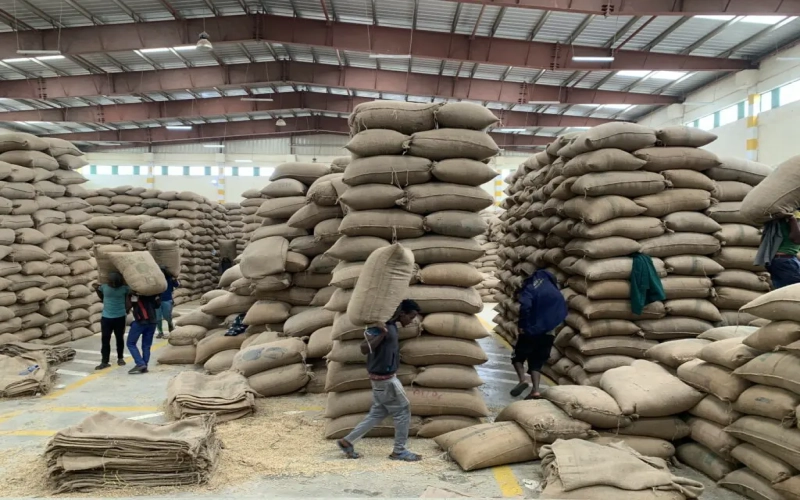
Yirgacheffe Kochere Pour-Over Guide: Washed G1 Flavor Profile and Origin Analysis
Kochere is a highly representative micro-region within the Yirgacheffe growing area, known for its washed processing and G1 grade, with flavors that often present citrus acidity, jasmine aroma, and silky sweetness. This article systematically reviews the characteristics of Kochere coffee, from regional division, production models, and processing methods to specific flavor descriptions, and shares the cupping performance and pour-over suitability of two Yirgacheffe beans, Front Street Kochere and Front Street Gutingding, helping coffee lovers understand the unique charm of this premier growing region. [more…]

Ethiopian armed conflict spreads to western coffee regions, hidden concerns emerge behind record exports
Oromia, Ethiopia, has recently seen a string of kidnappings and armed attacks, and the conflict has spread to the Lekanti coffee-producing area in the west and the town of Asela near the Sidama-producing area. Meanwhile, the country's coffee exports in August hit a record high, with export value rising sharply year on year. However, multiple factors—continued conflict, currency depreciation, and the impending implementation of the EU's deforestation regulation—have filled the prospects for Ethiopia's coffee industry with uncertainty. This article reviews the course of events and the impact on the industry for coffee lovers' reference. [more…]

Armed attack in Ethiopia's Sidama Kenso district leaves 14 dead, coffee-producing region faces security and economic pressure
In the Konso Zone of the Southern Nations, Nationalities, and Peoples' Region in southern Ethiopia, armed attacks lasting several days recently occurred, resulting in at least 14 deaths, including 8 police officers and 5 civilians, with another person later confirmed dead. The attackers targeted police stations, government institutions, and civilians, looting property and setting fire to government buildings and residences, and only fled after the national defense forces and federal police intervened. The Konso Zone is not only part of the Southern Nations, Nationalities, and Peoples' Region but also an important component of the Sidamo coffee-producing area, adjacent to the Yirgacheffe region. This incident has displaced approximately 37,000 people, with property losses exceeding 600 million birr. Although the armed militants have withdrawn, they may move to surrounding areas to continue their activities, posing a direct threat to the region's coffee and other agricultural industries. Meanwhile, the depreciation of Ethiopia's currency and domestic inflation, combined with the security situation, have cast a shadow over the prospects for coffee exports. Front Street Coffee will continue to monitor developments in the producing area. [more…]
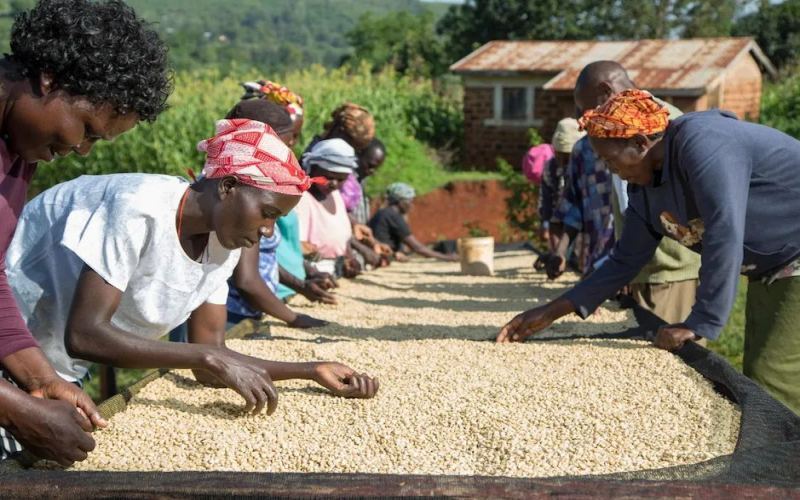
How are Kenya's coffee-growing regions divided? What makes the producing area at the foot of Mount Elgon in the west unique?
Kenyan coffee is renowned in the specialty coffee world for its layered fruity aromas and full, juicy body. This country in eastern Africa, with its high-altitude mountains, volcanic soil, and tropical monsoon climate, provides exceptional natural conditions for coffee cultivation. Kenya's coffee-growing regions are mainly divided into three major blocks: the Central Region, the East African Rift Valley Region, and the Western Region. Among them, the Western Region is represented by three major producing areas—Elgon, Trans-Nzoia, and Bungoma—at the foot of Mount Elgon, whose coffees feature bright acidity, citrus fruit flavors, and a rich body. This article will guide you through the overall distribution of Kenya's coffee-producing regions and take a closer look at the terroir characteristics of the Western Region. [more…]
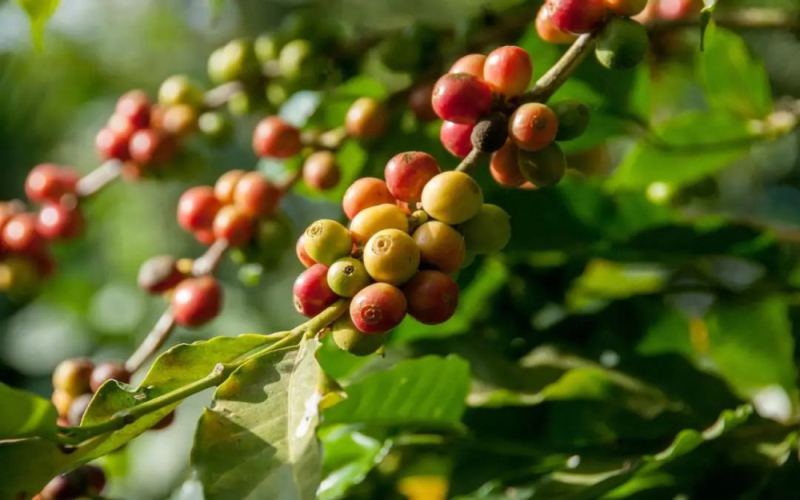
A Complete Analysis of the Main Arabica Coffee Producing Regions: Flavor Characteristics of the Three Major Regions and Introduction of Representative Bean Varieties
Arabica coffee accounts for more than seventy percent of global coffee production and has extremely strict requirements for its growing environment. Starting from the coffee belt on both sides of the equator, the three major producing regions of Latin America, Africa, and Asia-Pacific each nurture distinctly different coffee flavors. This article systematically sorts out the distribution of Arabica's main producing areas, introducing one by one the terroir conditions and cupping characteristics of representative producing areas such as Brazil Cerrado, Colombia Huila, Guatemala Huehuetenango, Costa Rica Tarrazu, Indonesia Sumatra, China Yunnan Baoshan, and Ethiopia Yirgacheffe, while also sharing the selection approach of the Front Street Coffee daily drinking bean series, helping coffee enthusiasts build a cognitive framework for the basic flavors of each producing area. [more…]
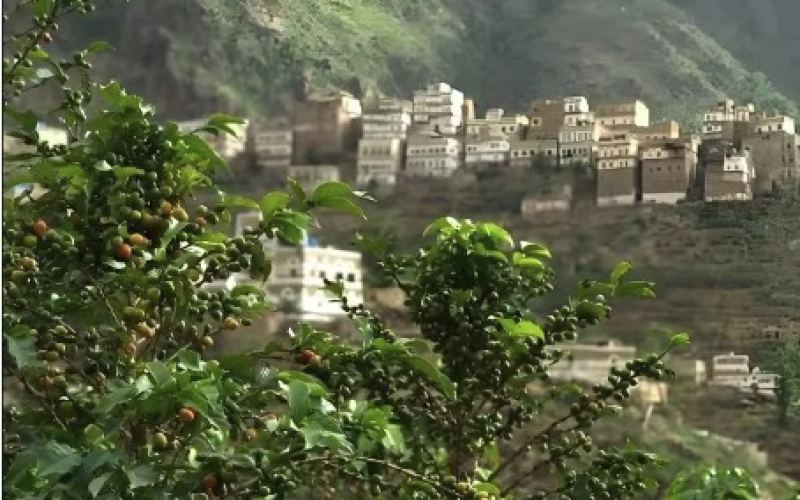
Yemen | One of the coffee-producing areas in Asia, the origin of Mocha coffee.
Yemen is a country in Asia, but it is often mistakenly regarded as an African country. Just across the sea from it is the well-known coffee-producing area of Ethiopia in Africa, and it is also a key port for Ethiopia to access Africa. The Yemen Mocha [more…]
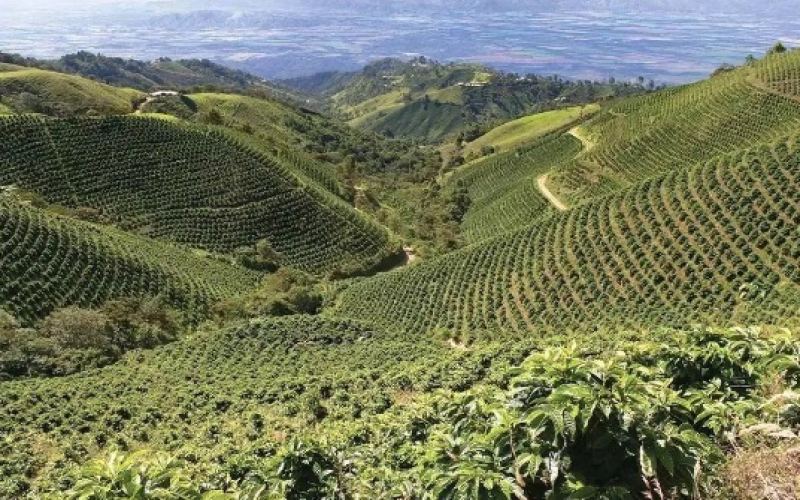
Colombia | Coffee growing regions in Colombia
Colombia is one of the most famous coffee producing areas in the world and is known for its high-quality coffee. Colombian coffee is also one of the few single-origin coffees sold in the world under the name of the country. The full name of Colombia [more…]
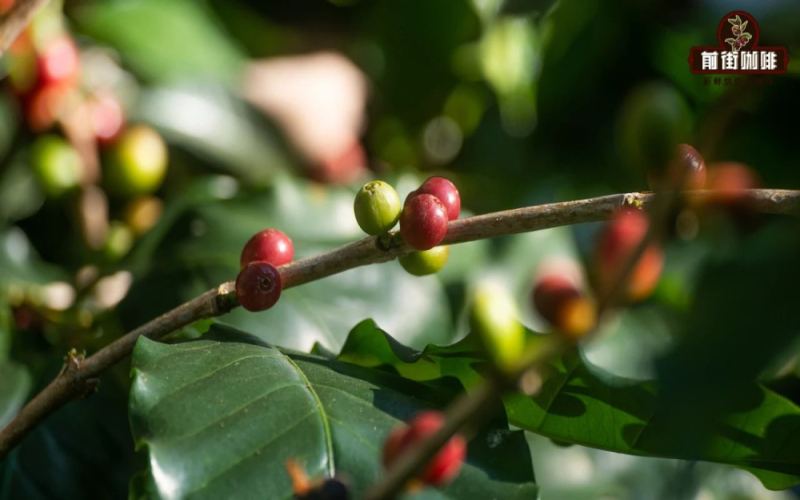
A Complete Guide to Yunnan Coffee Regions: Flavor Differences Between Catimor and Typica Varieties and Their Cultivation History
Yunnan is China's most promising coffee-producing region, where the unique geographical and climatic conditions of its western and southern areas cultivate a coffee flavor that is rich without being bitter, and aromatic without being harsh. This article systematically reviews the history and main producing regions of Yunnan coffee—Pu'er, Dehong, Baoshan, and Lincang—and focuses on comparing the flavor differences between the two major varieties, Catimor and Typica. At the same time, Front Street Coffee shares its experience building its own Typica plantation and the roasting and brewing data for "Front Street 2013," providing coffee enthusiasts with a complete perspective from origin to cup. [more…]
What makes Guatemalan coffee unique? A comprehensive analysis of the flavors and processing methods of eight major producing regions
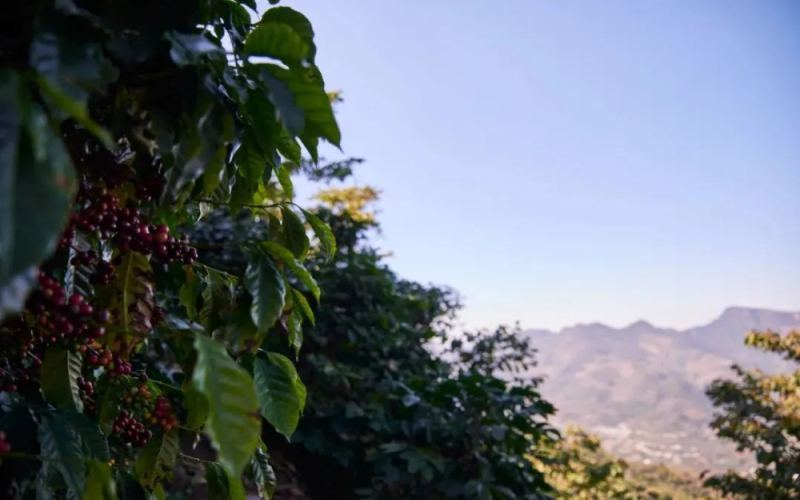
Guatemala is home to over three hundred microclimates, where volcanic soil and high-altitude terrain nurture specialty coffee with distinctive flavors. From the balanced fruit acidity of Antigua to the bright fruity aromas of Huehuetenango, the eight major regions each have their own character. This article will guide you through Guatemala's coffee-growing regions, varietal characteristics, grading methods, and washed processing procedures, while also analyzing its signature flavor profile. Front Street Coffee has a particular affection for this land; the Flora coffee beans on its menu come from the Antigua region, washed processed, with a delicate flavor, and are well worth trying. [more…]
Ethiopian Guji Hambela Coffee: Cup Flavors Achieved Through High-Altitude Terroir and Meticulous Natural Processing
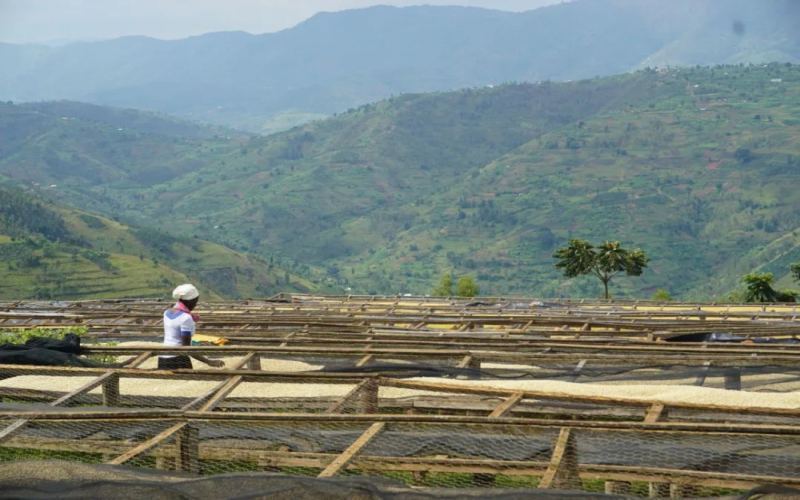
Ethiopia is a globally important coffee-producing country, and coffee exports occupy a key position in its economy. Located in the Guji production area, the town of Hambela, with its high altitude, red-brown soil, and large temperature difference between day and night, nurtures coffee with a unique flavor. The local area uses fine sun-drying processing, combined with African raised-bed drying and strict manual hand sorting, allowing the coffee cherries to develop rich layers through a slow fermentation lasting up to 21 days. Front Street Huakui is precisely a representative bean from this production area, attracting attention for its notes of floral fragrance, jackfruit, dried fruit, and apricot. This article will review the background of Ethiopian coffee exports, take a deeper look at Hambela's terroir and processing techniques, and sort out the origin and market performance of Huakui coffee beans. [more…]

Introduction to the varieties in the Kona coffee producing area in Hawaii, USA.
As we all know, coffee is generally grown in the coffee growing zone, that is, the equatorial zone between the north and south tropic lines. However, the United States is not in this range, and the climate conditions are not very suitable for the gro [more…]
A Complete Analysis of Yunnan Coffee Origins: Flavor Comparison Between Catimor and Typica and Their Cultivation History
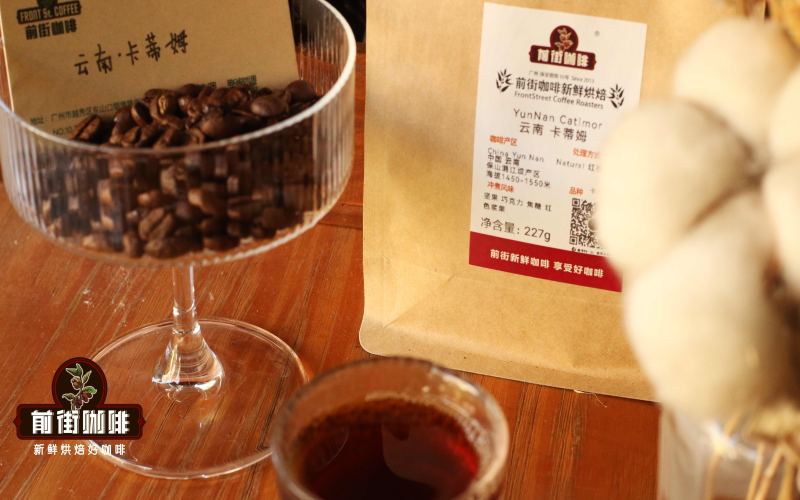
Yunnan, as China's most representative coffee-producing region, has gradually emerged in the specialty coffee scene in recent years. In this article, Front Street Coffee will give you a comprehensive understanding of the history of coffee cultivation in Yunnan and the distribution of its main producing areas, and take an in-depth look at the flavor differences between the two major varieties, Catimor and Typica. From Pu'er and Dehong to Baoshan and Lincang, each producing area has its own unique terroir. Front Street Coffee has also personally established a Typica plantation in Lincang, Yunnan, and launched the "Front Street 2013" series, showcasing the potential and charm of Yunnan coffee through hands-on growing experience, while also sharing roasting and pour-over parameters. [more…]
Distribution of Coffee-Producing Regions in China and Analysis of Yunnan Bean Quality and Flavor: From Planting History to Front Street Coffee's Recommended Brewing
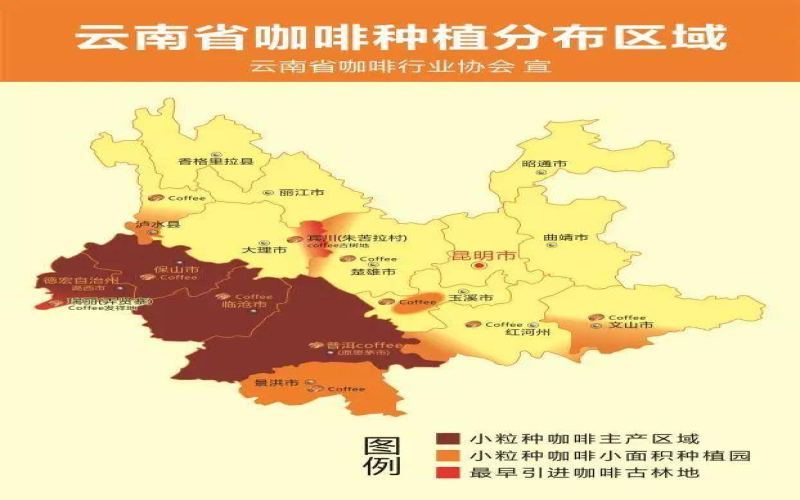
Want to know where China's coffee-growing regions actually are, and what the quality and flavor of Yunnan coffee beans is like? This article will take you through the tortuous development of Yunnan coffee from its introduction in 1904 to the present, sort out the characteristic differences between the two major varieties, Typica and Catimor, and explain in detail the terroir conditions of core producing areas such as Baoshan and Lincang. At the same time, we retain Front Street Coffee's selection approach for Baoshan Catimor and Lincang sun-dried Typica, with pour-over parameters and flavor descriptions attached, to help coffee lovers fully understand the potential and charm of Yunnan beans. [more…]

A Complete Guide to the Natural Process: The Origins, Variety Characteristics, and Brewing Tips of Huakui Coffee Beans
Ethiopia is the birthplace of Arabica coffee, and its natural processing method has produced countless unique and flavorful beans. As a star representative of the Sidama region, Huakui coffee has won over many coffee lovers with its intense floral and fruity aromas and honeyed sweetness. This article will systematically examine the full picture of this coffee from multiple angles, including the origin of the name Huakui, the background of the Hambela region, the geographical environment of Sidama, the characteristics of the Heirloom native variety, Ethiopia's coffee grading system, and the complete process of the natural processing method. It also includes Front Street Coffee's brewing parameter suggestions and bean-resting reminders to help you better appreciate the layered complexity and sweetness of this naturally processed Huakui. [more…]
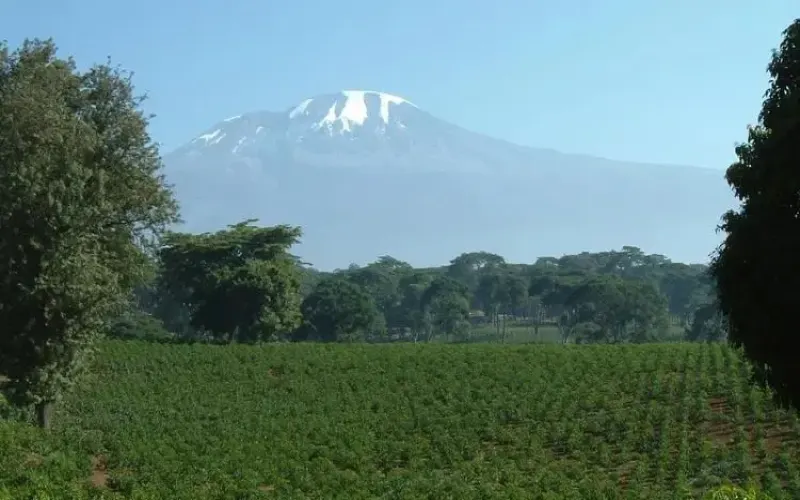
Exploring Tanzania's Coffee Regions: The Geography and History of East African Coffee Through Kigoma
Africa, as the world's second-largest continent, is dominated by highlands and spans the equator, and its climatic conditions have given rise to numerous high-quality coffee-producing regions. Tanzania, with its unique geographical environment and historical heritage, has become an important coffee-producing country in East Africa and is known as the "coffee gentleman." From the introduction of coffee during the German colonial period, to industrial reforms after independence, and then to the shift of producing regions after the invasion of leaf rust, Tanzanian coffee has gone through a tortuous course of development. Today, nine producing regions, including Kilimanjaro, Arusha, and Kigoma, each have their own characteristics. Among them, Kigoma, as an emerging producing region, is gradually revealing its coffee potential by relying on the natural resources of Lake Tanganyika. This article will take you into a deeper understanding of the distribution and characteristics of Tanzania's coffee-producing regions, and focus on the terroir and prospects of the Kigoma producing region. [more…]
What Is Arabica Coffee? A Detailed Guide to the Origin of Its Name, Major Global Producing Regions, and Flavor Characteristics
The coffee tree is a tropical crop with rather demanding growth requirements, and the "Coffee Belt" between 25 degrees north and south of the equator provides it with an ideal habitat. As the variety with the highest share of global production, Arabica has strict requirements for altitude, temperature, and soil. This article will sort out the meaning and origin of the name Arabica, introduce the terroir characteristics of the three major producing regions—Latin America, Africa, and Asia-Pacific—and analyze one by one the flavor profiles of representative origins such as Brazil Cerrado, Colombia Huila, Guatemala Huehuetenango, Costa Rica Tarrazu, Indonesia Sumatra, Yunnan China, and Ethiopia Yirgacheffe. It will also share the selection philosophy behind Front Street Coffee's high-cost-performance everyday beans series. [more…]